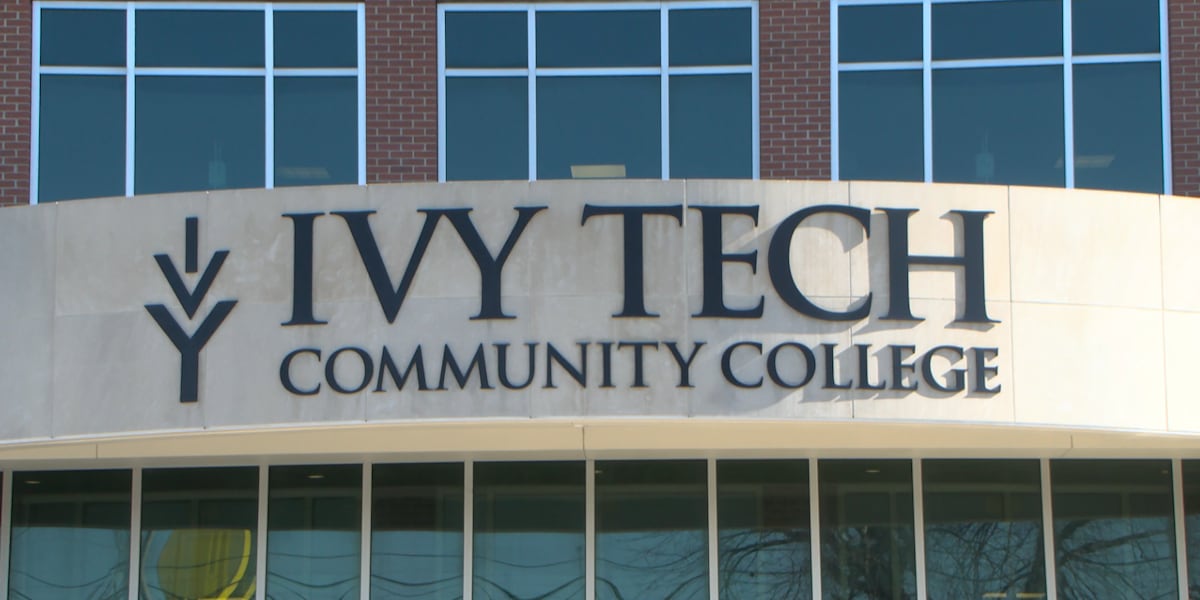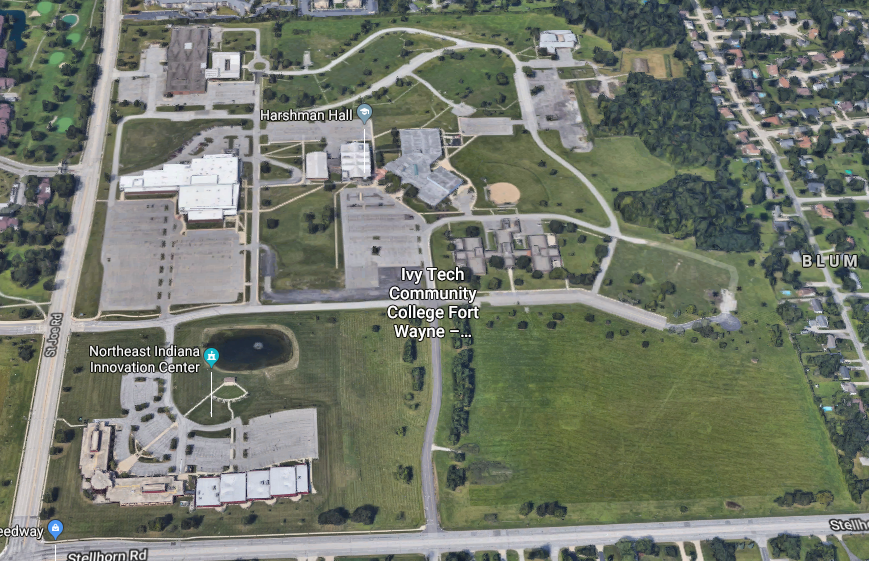
Walking onto a new campus can be overwhelming—especially when you're already juggling class schedules, registration, and parking permits. At Ivy Tech Fort Wayne, the sprawling campus spans over 95 acres with multiple academic buildings, student services, and support centers. Without a reliable map or clear navigation strategy, even simple tasks like finding your first-period class or dropping off transcripts can become time-consuming detours.
This guide cuts through the confusion. Whether you’re a new student, visiting parent, or transfer enrollee, you’ll get an accurate, up-to-date breakdown of the campus layout, key buildings, parking zones, and practical navigation tips based on real student experiences.
Understanding the Ivy Tech Fort Wayne Campus Layout
Ivy Tech’s Fort Wayne campus isn’t a single building—it’s an integrated network of structures, outdoor spaces, and support hubs designed to support both academic and student life. Located at 3800 N. Anthony Blvd, the campus serves as the largest regional site in the Ivy Tech Community College system.
The campus is laid out in a modified grid pattern, with academic buildings clustered toward the south and west, administrative offices centralized, and student amenities (like the library and cafeteria) positioned near the heart of the grounds. Roads and sidewalks are clearly marked, though signage can be sparse in transitional outdoor zones between buildings.
Because the campus sits on flat, open land, visibility is generally good. However, during winter months or early morning classes, fog and low light can obscure directional markers—making prior familiarity with the map critical.
Key Buildings and What They House
Navigating by name only gets you so far. Knowing what’s inside each building saves time and prevents unnecessary backtracking. Here’s a breakdown of the most frequently visited locations:
Academic 1 (A1) The largest instructional building on campus, A1 hosts general education courses like English 101, college algebra, and psychology. It features smart classrooms, open labs, and the Testing Center on the second floor. Students often report congestion near the elevators during peak hours—plan to arrive early.
Academic 2 (A2) Focused on career-technical programs, A2 houses labs for automotive technology, HVAC, and precision machining. If you're enrolled in a hands-on technical track, this is likely your primary classroom location. Lab sessions often run longer than standard periods, so check your syllabus carefully.
Academic 3 (A3) A newer addition, A3 supports nursing, health sciences, and biology programs. It contains simulation labs, anatomy classrooms with cadaver models, and faculty offices for allied health instructors. Due to clinical requirements, access to certain floors may require student ID swipes.
Student Services Building (SSB)
This central hub includes: - Admissions and Records - Financial Aid - Advising - Bursar’s Office - Veterans Services
This is the go-to location for paperwork processing. Lines can build quickly during registration or financial aid deadlines—aim to arrive before 9 a.m. or after 2 p.m. to avoid crowds.
Library and Academic Resource Center (LARC) More than just books, LARC offers:
- Quiet study zones
- Group meeting rooms (reservable online)
- Writing Center tutoring
- Computer labs with specialized software
Printing stations are available on the first floor, but students must load print credit through their Ivy Tech account. Running out of pages mid-project is a common rookie mistake.
Campus Center (CC) The social heart of the campus, CC includes:
- Dining options (Starbucks, Subway, and a cafeteria)
- Bookstore
- Student lounge
- Campus Police
- Student Events Office
This building often hosts orientation sessions, club fairs, and guest speaker events. If you’re new, spending time here helps you connect with campus culture.
Parking Zones and Access Tips
One of the most frequent complaints from new students? Finding parking. Ivy Tech Fort Wayne operates a color-coded permit system, and unauthorized parking results in fines.
There are four main parking areas:
| Zone | Color | Location | Best For |
|---|---|---|---|
| A | Red | East of Academic 1 | Full-day commuters |
| B | Blue | South of Student Services | Morning classes |
| C | Green | West of Academic 3 | Health sciences students |
| D | Yellow | North of Campus Center | Evening students, visitors |
Important notes: - Permits are tied to your vehicle’s license plate and must be purchased through the Ivy Tech portal. - Zone D is the only area where visitors can park without a permit—up to two hours with a self-issued pass from the kiosk. - Reserved spots near building entrances are for ADA, staff, or early-morning faculty only.
Pro tip: If you have back-to-back classes between A1 and A3, park in Zone A. It’s closer to covered walkways and sheltered pathways—critical during Indiana’s unpredictable spring weather.
How to Access the Official Campus Map
The most accurate and frequently updated map is available through Ivy Tech’s official website. Here’s how to find it:
- Go to ivytech.edu/fort-wayne
- Click “Campus Life” in the top menu
- Select “Campus Map” from the dropdown
- Download the PDF or use the interactive version
The interactive map allows you to: - Search by building name or function (e.g., “library” or “financial aid”) - View indoor floor plans for key buildings - Print custom map sections
Avoid third-party map services like Google Maps for indoor navigation. While satellite views are accurate, indoor layouts and room numbers are often outdated or missing—especially in remodeled sections of A2 and A3.
Students who rely solely on GPS have accidentally walked into closed-off maintenance zones or exited through staff-only doors. Always cross-reference with the official PDF.
Navigating Between Classes: Real Student Workflow Tips
Time management starts with efficient movement. Here are real-world habits from upperclassmen that reduce stress and missed minutes:
- Use the 10-minute rule: Class changes are scheduled with 10-minute gaps. Walking from A1 to A3 takes about 7–8 minutes at a moderate pace—leaving little room for delays. Avoid phone use during transitions.
- Pack light: Backpacks with laptops, books, and lab gear add weight. Students with rolling bags report less fatigue during back-to-back days.
- Know your weather backup routes: Sidewalks between buildings are covered in key areas—like the walk from SSB to CC. Memorize these for rainy or snowy days.
- Label your map: Print a copy of the campus map and highlight your recurring paths. Tape it inside your notebook or save a screenshot on your phone.
One biology major we spoke to color-coded her map using highlighters: blue for lecture halls, red for labs, green for support offices. “It cut my ‘where am I supposed to be?’ panic by 80%,” she said.
Special Considerations for Visitors and Prospective Students
If you’re touring the campus for the first time—whether for orientation, a college fair, or advising session—your experience depends on preparation.
- Visitor parking: Use Zone D or the designated lot near the Campus Center entrance.
- Check-in process: First-time visitors should stop at the Student Services Building front desk to pick up a visitor badge. It’s required for access to most indoor areas.
- Guided tours: Offered daily at 10 a.m. and 2 p.m., tours last about 45 minutes and cover academic buildings, labs, and student spaces. Reservations are recommended during peak enrollment periods.
- Accessibility: All buildings are ADA-compliant with ramps, elevators, and accessible restrooms. The campus also offers golf cart shuttles during extreme weather upon request—call Campus Police at (260) 480-2111.
Parents often underestimate walking distance. Wear comfortable shoes, and don’t plan back-to-back appointments without buffer time.
Common Navigation Mistakes (and How to Avoid Them)
Even with a map, students make predictable errors. Recognizing them early helps you stay on track:
- Confusing A2 with A3: While both are technical buildings, A2 is automotive and engineering; A3 is health sciences. Students in nursing have accidentally shown up to an engine diagnostics lab more than once.
- Misreading room numbers: Room 215 in A1 is not the same as 215 in A3. Always confirm the building prefix.
- Assuming all entrances are open: Some building doors are locked after 7 p.m. for security. If you have an evening class, enter through the main lobby or CC.
- Ignoring construction zones: Ivy Tech periodically updates facilities. Check the campus alerts page for temporary closures or detours.
- Over-relying on GPS: Google Maps may route you to a service entrance or outdated drop-off point. Use the official address and building name instead.
Keeping a laminated map in your car or bag costs less than $2—and prevents 15 minutes of circling lots in frustration.
Final Thoughts: Master the Map, Own Your Schedule
The Ivy Tech Fort Wayne campus doesn’t have to be a maze. With the right tools—especially the official campus map, a clear understanding of building functions, and smart parking habits—you can move with confidence from day one.
Don’t wait until the morning of your first exam to figure out where the Testing Center is. Download the map now, highlight your key locations, and do a trial run. Ten minutes of prep can save you an hour of stress.
Your education starts with access—and access starts with knowing your way.
Frequently Asked Questions
Where is the best place to park for morning classes? Zone B (Blue), located south of the Student Services Building, offers quick access to early academic sessions and has ample spaces before 9 a.m.
Is there a printable version of the Ivy Tech Fort Wayne map? Yes—visit the Fort Wayne campus page on ivytech.edu and click "Campus Map" to download a high-resolution PDF.
Are all buildings connected indoors? No. While some areas have covered walkways, most transitions between buildings require going outside. Use interior routes during bad weather.
Can visitors use the library? Yes, visitors can access the LARC during open hours but will need a temporary pass from Campus Police for computer or resource use.
How do I find my classroom on the first day? Check your schedule in MyIvy, note the building and room number, then cross-reference with the official campus map. Arrive 15 minutes early.
Is the campus map updated for construction? Yes—the interactive map includes alerts for ongoing projects and temporary closures. Check the homepage banner for updates.
Are bike racks available? Yes, bike racks are located near all main entrances, and the Campus Center has a small repair station with basic tools.
FAQ
What should you look for in Ivy Tech Fort Wayne Campus Map and Navigation Guide? Focus on relevance, practical value, and how well the solution matches real user intent.
Is Ivy Tech Fort Wayne Campus Map and Navigation Guide suitable for beginners? That depends on the workflow, but a clear step-by-step approach usually makes it easier to start.
How do you compare options around Ivy Tech Fort Wayne Campus Map and Navigation Guide? Compare features, trust signals, limitations, pricing, and ease of implementation.
What mistakes should you avoid? Avoid generic choices, weak validation, and decisions based only on marketing claims.
What is the next best step? Shortlist the most relevant options, validate them quickly, and refine from real-world results.