
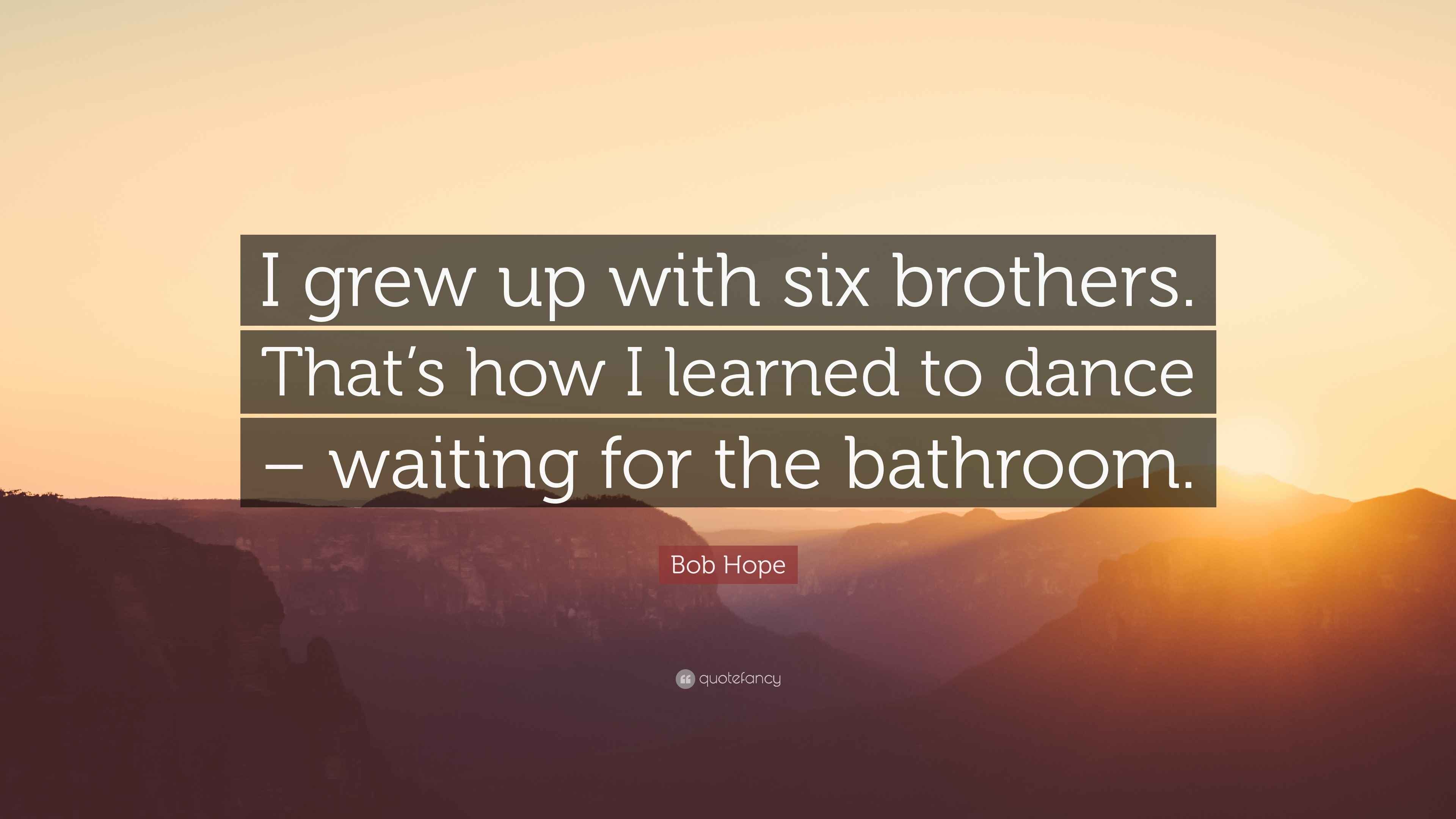
Humor isn’t just relief—it’s revelation. When Bob Hope quipped, “I grew up with six brothers—that’s how I learned to dance,” he wasn’t just telling a joke. He was revealing a truth: survival in a crowded household demands timing, rhythm, and the instinct to get out of the way. That line isn’t just a punchline. It’s a masterclass in navigating life’s chaos with grace, wit, and self-awareness.
This single quote—often shared as a “quote of the day”—opens a window into Hope’s worldview. Behind the one-liners were decades of commentary on relationships, aging, and politics, delivered with the precision of a vaudeville pro and the insight of someone who lived through transformative cultural shifts. To understand the depth behind the laughter, we need to unpack not just the joke, but the man, the message, and the enduring relevance of his wisdom.
The Genius of Bob Hope’s Humor: Survival Through Satire
Bob Hope didn’t invent self-deprecating humor, but he refined it into an art form. Born in 1903 and active well into the 1990s, his career spanned radio, film, television, and USO tours. But his humor was consistent: accessible, sharp, and rooted in personal experience.
The six-brothers line exemplifies his style. On the surface, it’s a silly observation—confusing dance with dodging siblings in a cramped home. But beneath it lies a deeper commentary on upbringing, competition, and emotional intelligence.
Growing up in a large family meant constant negotiation. There was no room for ego. You had to read the room, anticipate moves, and know when to step in—or step back. That’s not just dancing. That’s emotional agility.
In relationships, this skill is invaluable. Whether dealing with a partner’s mood, a friend’s boundary, or a colleague’s ego, knowing when to speak and when to stay silent is often what keeps connections intact.
Hope’s humor taught us that resilience isn’t just endured—it’s performed. And performance, in life as on stage, requires timing.
Relationships: What Crowded Homes Teach About Love
Hope never positioned himself as a relationship guru. Yet his observations, filtered through comedy, offer practical truths many therapists might endorse.
In a household with seven boys, conflict wasn’t exceptional—it was routine. Privacy was a myth. Compromise wasn’t a virtue; it was a survival mechanism.
This shaped a worldview where patience, adaptability, and observation became second nature. These are also the bedrock of healthy relationships.
Consider the modern couple arguing over household chores. One partner feels overburdened. The other feels unappreciated. The conflict escalates not because the issue is unsolvable, but because neither knows how to dance—how to shift, respond, and adjust in real time.
Hope’s line implies that he didn’t learn dance from lessons. He learned it from necessity. Similarly, strong relationships aren’t built through grand gestures but through daily micro-adjustments: making coffee just how they like it, knowing when to crack a joke, and when to stay quiet.
Common mistake? Treating relationships like solo performances. Hope’s upbringing taught him early: you’re always sharing the stage.

Real-World Example: A client in couples therapy once said, “I feel like I’m always reacting.” The therapist replied, “Good. That means you’re paying attention.” That’s the dance Hope described—not choreographed, but responsive, intuitive, alive.
Aging with Humor: Hope’s Take on Getting Older
As Hope aged, his humor didn’t soften—it sharpened. He had no patience for the myth of dignified decline. Instead, he mocked it relentlessly.
“I’m so old, my memory is going—and I can’t remember where.” “I’ve reached the age where my back goes out more than I do.”
These aren’t just jokes. They’re acts of resistance. By laughing at aging, Hope refused to let it strip him of power or presence.
The “six brothers” quote, when viewed through this lens, becomes a metaphor for life’s ongoing negotiations. Youth is crowded with competition—jobs, love, status. Middle age brings new rivals: time, health, relevance. Old age? That’s the final dance floor, where the steps are slower but the stakes are higher.
Humor becomes the rhythm keeper. Without it, frustration takes over. With it, you stay light on your feet.
Practical takeaway: Aging doesn’t have to mean diminishing. It can mean refining—like a comedian perfecting a routine through decades of performance.
Many people, facing health issues or retirement, retreat. Hope kept touring USO shows into his 80s. His message? Keep moving. Even if the steps change, the dance continues.
Politics and Satire: How Hope Used Comedy to Cut Through Noise
Bob Hope wasn’t overtly political, but he wasn’t neutral either. From WWII to the Gulf War, his USO tours brought levity to soldiers in combat zones. His commentary on politicians was relentless—but always couched in humor.
At a 1981 White House dinner, he quipped: “Ronald has been president so long, he was a disk jockey in the Civil War.”
That blend of absurdity and critique is classic Hope. He didn’t preach. He punctured.
His six-brother upbringing may have prepared him for this. In a loud, competitive household, only the clever survive. The loudest don’t win. The wittiest do.
In politics, the same rule applies. Facts get buried. Emotion dominates. But a well-timed joke can bypass defenses and deliver truth.
Hope understood that satire isn’t evasion—it’s precision. While pundits argued policy, he highlighted hypocrisy with a grin.
Modern political discourse lacks this balance. Outrage drowns nuance. Hope’s approach reminds us that laughter isn’t avoidance. It’s clarity.
Why It Still Matters: Today, political content is either earnest or enraged. Hope offered a third path: informed irreverence. He mocked everyone—presidents, generals, himself—because power, unchecked, becomes absurd.
Learning to “dance” in politics means knowing when to engage, when to deflect, and when to laugh. Especially when things feel hopeless.
The Timeless Appeal of One-Liner Wisdom
Short quotes go viral for a reason. They’re portable, memorable, and often deceptively deep.
Hope’s six-brother line works because it’s: - Relatable: Anyone from a big family gets it. - Visual: You can see the chaos. - Layered: Funny on first listen, insightful on the third.
This is the hallmark of great quotable wisdom—it operates on multiple levels.
Compare it to modern social media quotes: often vague, emotional, and stripped of context. “Live laugh love” tells you nothing. Hope’s line tells you about family dynamics, emotional intelligence, and survival.
That’s why his quotes still circulate as “quote of the day” material. They’re not just phrases. They’re miniature stories.
How to Use Quotes Like
This:
- In conversation: A well-placed Hope quote can ease tension.
- In writing: It adds voice and depth.
- In self-reflection: Ask, “Where am I just trying to get out of the way?” That’s often where growth begins.
Why We Still Need Bob Hope’s Kind of Humor
Today’s comedy is often polarizing. It punches up, down, or sideways—but rarely with the unifying wit of Hope.
He mocked the powerful, but rarely the vulnerable. He poked fun at himself more than anyone.
In an age of outrage, his style feels almost radical: inclusive, observational, and relentlessly human.
The “six brothers” joke works because it’s not about the brothers. It’s about adaptation. It’s about learning to move in a world that doesn’t make space for you.
That’s a lesson for relationships: stay flexible. For aging: keep moving, even if it’s a shuffle. For politics: don’t take power too seriously—it’s often ridiculous.
Hope’s legacy isn’t just jokes. It’s a philosophy: life is chaotic, but you can learn to move with it.
Final Thought: Keep Dancing, Even When the Floor Is Crowded
Bob Hope didn’t wait for perfect conditions to perform. He adapted. He danced in tight spaces, with loud distractions, under pressure.
That’s the real life lesson.
You won’t get a quiet home, a drama-free relationship, or a stable political climate. But you can learn the steps.
Listen more than you speak. Laugh when you can. Know when to step forward and when to yield.
And when life gets overwhelming, remember the guy with six brothers who turned survival into a punchline—and a lasting wisdom.
Actionable takeaway: Next time you’re in a tense situation, ask: What would Bob Hope say? Then, say something human. Something light. Something true.
FAQ
What did Bob Hope mean by "I grew up with six brothers—that’s how I learned to dance"? He meant that growing up in a crowded household required constant movement and awareness—dodging siblings became a kind of involuntary dance, symbolizing adaptability and timing.
Did Bob Hope really have six brothers? Yes. Bob Hope was one of seven sons. His upbringing in a large, working-class family heavily influenced his humor and work ethic.
How did Bob Hope use humor to comment on politics? He used satire and one-liners at public events, especially White House roasts, to mock politicians without alienating audiences, blending entertainment with mild critique.
What can we learn about relationships from Bob Hope’s quotes? His humor emphasizes listening, timing, and self-awareness—key skills in resolving conflict and maintaining emotional connection.
Is Bob Hope’s humor still relevant today? Yes. His observational, self-deprecating style transcends eras, offering timeless insights on family, aging, and resilience.
How did Bob Hope handle aging in his comedy? He openly joked about memory loss, physical decline, and irrelevance, using humor to reclaim power and connect with aging audiences.
Where are Bob Hope’s quotes commonly used today? In motivational speeches, social media posts, comedy writing, and daily inspiration feeds—especially the “quote of the day” format.
FAQ
What should you look for in Bob Hope’s Quote of the Day: Humor, Wisdom, and Life Lessons? Focus on relevance, practical value, and how well the solution matches real user intent.
Is Bob Hope’s Quote of the Day: Humor, Wisdom, and Life Lessons suitable for beginners? That depends on the workflow, but a clear step-by-step approach usually makes it easier to start.
How do you compare options around Bob Hope’s Quote of the Day: Humor, Wisdom, and Life Lessons? Compare features, trust signals, limitations, pricing, and ease of implementation.
What mistakes should you avoid? Avoid generic choices, weak validation, and decisions based only on marketing claims.
What is the next best step? Shortlist the most relevant options, validate them quickly, and refine from real-world results.