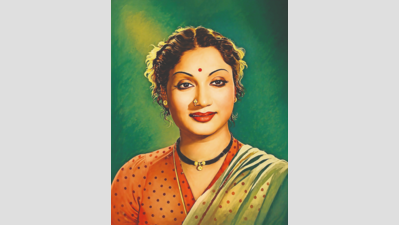
She didn’t wait for permission. She didn’t conform. G Varalakshmi stormed into Indian cinema with a presence so raw, so unapologetic, that audiences didn’t just watch her—they remembered her. In an era when female roles were often confined to demure devotion or tragic sacrifice, she played women who spoke their minds, challenged authority, and lived on their own terms. This is not just the story of an actress. It’s the story of a rebellion wrapped in silk and sequins.
The Unlikely Rebel from the South
Born in a time when the Indian film industry was still finding its cinematic language, G Varalakshmi emerged not from elite theatre families or metropolitan studios, but through sheer force of personality. Her entry into films wasn’t marked by glamour or connections—it was marked by audacity.
In the 1940s and 50s, South Indian cinema was deeply conservative. Actresses were expected to embody idealized versions of womanhood—soft-spoken, obedient, often suffering in silence. G Varalakshmi refused to play by those rules. Whether it was the way she delivered her lines—sharp, loud, unfiltered—or the way she carried herself on screen—defiant, almost confrontational—she stood out. Not because she was conventionally glamorous, but because she was real.
Her early roles in Telugu and Tamil films often cast her as the fiery sister, the outspoken neighbor, or the woman who refused to back down in the face of injustice. These weren’t lead roles in the traditional sense, but they were pivotal—characters that shifted the mood of the film, delivered the hard truths, and often stole the spotlight from the so-called protagonists.
“She didn’t act like she was performing. She acted like she was living.” — Veteran film critic, recalling her performance in Malleswari (1951)
Defying Convention in a Restrictive Era
What made G Varalakshmi “rowdy” wasn’t just her on-screen persona. It was her refusal to be boxed in—by genre, by morality, or by the expectations placed on women in the public eye.
At a time when off-screen behavior was policed as strictly as on-screen content, she lived independently, made her own career choices, and wasn’t afraid to clash with directors or producers. She was known to walk off sets if she felt a scene compromised her character’s integrity. This wasn’t tantrum-throwing—it was principle.
Her defiance extended beyond set politics. She took on roles that challenged social hierarchies—playing Dalit women, widows asserting their rights, or educated daughters rejecting arranged marriages. These weren’t just characters; they were statements.
Examples of Defiant Roles:
- As a widow refusing remarriage in Chakravakam (1954): While most films portrayed widows as tragic, broken figures, Varalakshmi’s character was proud, economically independent, and politically aware.
- As a labor organizer in Rojulu Marayi (1955): She played a woman rallying workers against exploitation—a rare narrative thread for a female character at the time.
- As the sharp-tongued aunt in Missamma (1955): Though a supporting role, her wit and timing elevated the film’s social commentary on unemployment and identity.
These performances weren’t just bold—they were risky. Sponsors pulled out. Censors flagged scenes. Conservative groups protested. But the audiences came. And they remembered her.
The Art of Stealing the Scene
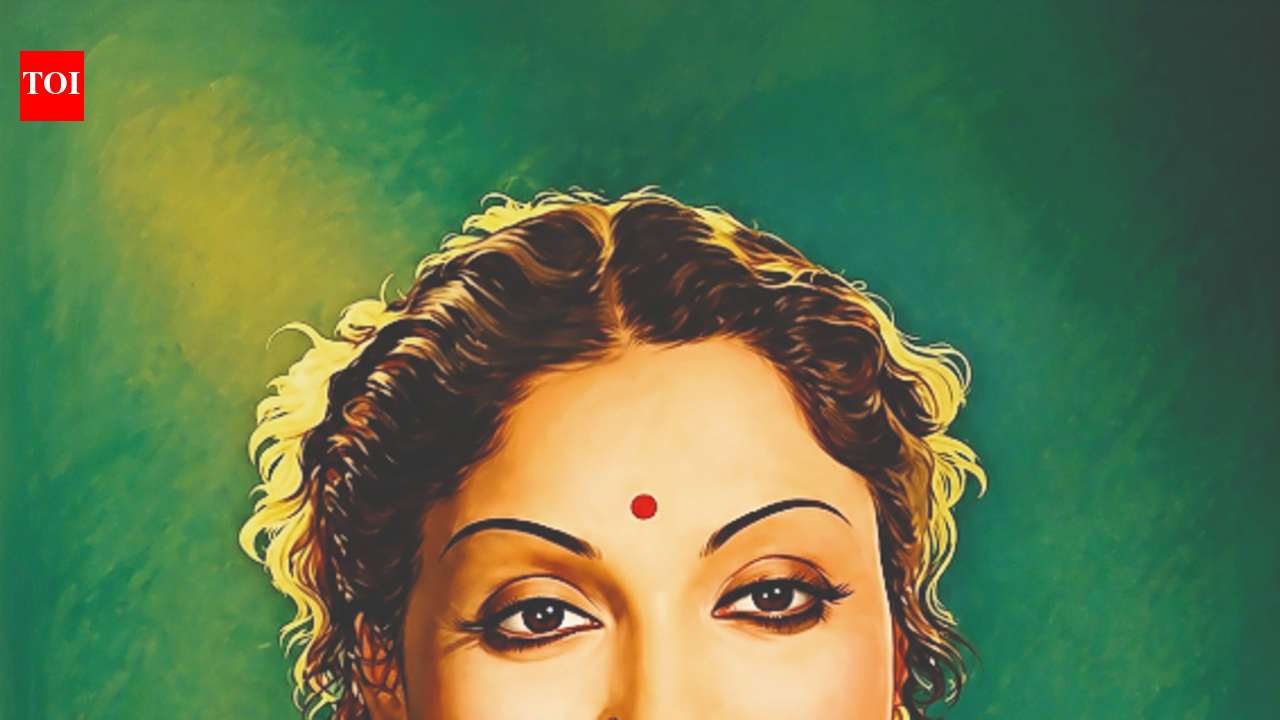
G Varalakshmi never needed the longest screen time to dominate a film. Her skill was in precision—every gesture, every pause, every inflection calculated for impact.
She mastered the react shot—the moment when a character doesn’t speak but says everything through expression. In Missamma, there’s a five-second close-up of her face as the male lead lies his way into a teaching job. She smirks—just barely—and then turns away. That glance alone communicates skepticism, amusement, and a quiet understanding of the game being played. It’s a masterclass in minimalism.
Her strength also lay in dialogue delivery. Most heroines of her time spoke in poetic metaphors or tearful monologues. Varalakshmi spoke like someone who had lived—direct, sarcastic, sometimes brutal.
“Don’t come crying to me when the world treats you like the fool you are.” — G Varalakshmi in Chakravakam
This wasn’t just acting. It was performance as social commentary.
Why “Rowdy” Was a Badge of Honor
The label “rowdy” was often used to discredit strong women—on screen and off. But in Varalakshmi’s case, it stuck—and she wore it proudly.
In Telugu and Tamil media, she was sometimes dismissed as “too loud,” “undignified,” or “unfeminine.” But audiences, especially women, saw something different: a mirror. She represented the aunt who spoke up at family meetings, the neighbor who called out hypocrisy, the woman who wouldn’t be silenced.
Her “rowdiness” wasn’t chaos. It was clarity. It was the refusal to perform meekness for the sake of comfort.
This earned her a unique legacy—she wasn’t the most decorated actress of her time, nor the most commercially successful lead. But she became a cultural reference point. Even today, when a female character breaks rank, speaks truth to power, or refuses to play victim, filmmakers and critics alike invoke her name.
Influence on Modern Indian Cinema
You see G Varalakshmi’s DNA in today’s bold female performances—not in mimicry, but in spirit.
Actresses like Revathi, Manju Warrier, Aishwarya Rajesh, and Sai Pallavi carry forward her legacy: women who play complex, sometimes abrasive, always authentic characters. The rise of the “angry young woman” trope in 2010s Tamil and Telugu cinema owes much to the path Varalakshmi paved.
Filmmakers like Leena Manimekalai and Ram Gopal Varma have cited her as an influence—not just for her performances, but for her independence. She wasn’t waiting for a feminist wave to validate her choices. She was the wave.
Even in casting, her impact lingers. Directors now actively seek actresses who can carry weight without needing glamour or romance. That shift—the recognition that female power doesn’t have to be soft—can be traced back to pioneers like her.
Common Misconceptions About Her Career Despite her influence, several myths persist about G Varalakshmi:
Myth 1: She was only cast in negative roles. False. While she often played confrontational characters, they weren’t villains. Her roles were morally complex—sometimes flawed, but never evil. She was the truth-teller, not the antagonist.
Myth 2: She couldn’t do romance or emotion. Untrue. In Pelli Chesi Choodu (1952), she delivered a quiet, heartbreaking monologue about lost love—showing emotional depth few expected from her.

Myth 3: She faded because she was difficult. Reality: She stepped back from films in the 1960s to focus on stage and social work. Many of her later plays addressed women’s rights and labor issues—continuing her activism beyond cinema.
Practical Lessons for Today’s Performers For aspiring actors, especially women in Indian cinema, G Varalakshmi offers tangible takeaways:
- Own your voice – Don’t soften your delivery to fit a mold. Authenticity builds connection.
- Value impact over screen time – You don’t need 30 scenes to be unforgettable. One powerful moment can define a career.
- Refuse typecasting quietly but firmly – Choose roles that challenge, not just comfort.
- Build a persona with integrity – Audiences respect consistency between screen and self.
- Use your platform for substance – Entertainment and advocacy aren’t mutually exclusive.
Her career was a masterclass in staying relevant by staying true.
Final Act: The Legacy That Won’t Be Silenced
G Varalakshmi didn’t win national awards. She didn’t have a long line of blockbuster leads. But she did something rarer: she changed the way women could exist on screen.
She proved that a woman could be loud, opinionated, and still beloved. That strength didn’t have to look graceful to be powerful. That rebellion could be quiet, persistent, and deeply effective.
Today, as Indian cinema grapples with representation, diversity, and the evolving role of women, her legacy feels more urgent than ever. She wasn’t just ahead of her time—she helped create the future.
To watch her films now is not just nostalgia. It’s inspiration. A reminder that real change in art starts with one person refusing to play along.
For any performer, writer, or viewer who believes cinema should reflect life in all its messy honesty—G Varalakshmi remains essential.
Actionable takeaway: Watch Missamma or Chakravakam with attention to her supporting scenes. Note how she uses silence, timing, and body language to command attention. Study not just what she says, but how she listens.
FAQ
Who was G Varalakshmi? G Varalakshmi was a pioneering Indian actress known for her bold, unconventional roles in Telugu and Tamil cinema during the 1940s–60s. She became famous for playing strong-willed, independent women who defied social norms.
Why is she called the "rowdy" actress? The term “rowdy” was used to describe her unapologetic screen presence—she played loud, confrontational, and outspoken characters at a time when female roles were typically passive or decorative.
Did G Varalakshmi win any major awards? She did not win national film awards, but she received critical acclaim and remains celebrated as a trailblazer for strong female roles in South Indian cinema.
What are some of her most famous films? Notable films include Missamma (1955), Malleswari (1951), Chakravakam (1954), and Rojulu Marayi (1955).
How did she influence modern actresses? She paved the way for complex, non-glamorous female roles. Her legacy lives on in actresses who play assertive, socially aware, or morally ambiguous characters.
Was she involved in activism? Yes. In later years, she focused on theatre and social causes, particularly women’s rights and labor issues, using performance as a tool for awareness.
Is there a biography or documentary about her? While no major documentary exists yet, film scholars frequently reference her work, and several retrospectives have been held in her honor, especially in Andhra Pradesh and Tamil Nadu.
FAQ
What should you look for in G Varalakshmi: The Rowdy Actress Who Broke the Mold? Focus on relevance, practical value, and how well the solution matches real user intent.
Is G Varalakshmi: The Rowdy Actress Who Broke the Mold suitable for beginners? That depends on the workflow, but a clear step-by-step approach usually makes it easier to start.
How do you compare options around G Varalakshmi: The Rowdy Actress Who Broke the Mold? Compare features, trust signals, limitations, pricing, and ease of implementation.
What mistakes should you avoid? Avoid generic choices, weak validation, and decisions based only on marketing claims.
What is the next best step? Shortlist the most relevant options, validate them quickly, and refine from real-world results.