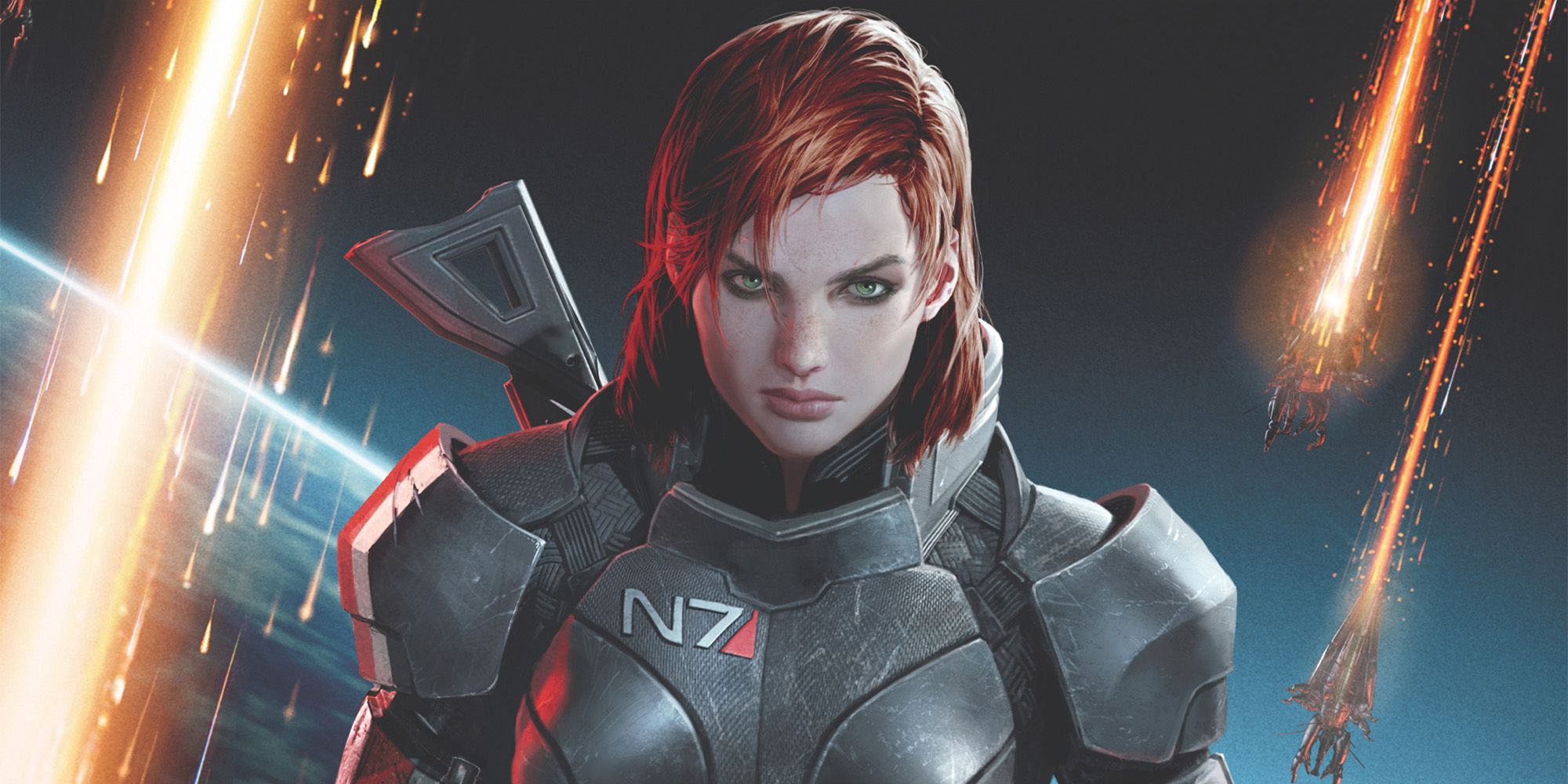
When a beloved sci-fi RPG franchise resurrects a character once widely criticized, reactions are bound to be fierce. The return of a controversial Mass Effect character has reignited debate among fans—and now, the actor behind the role has spoken out. Their comments cut through years of speculation, offering clarity, context, and a rare glimpse into the emotional weight of reprising a polarizing figure.
This isn’t just about nostalgia or fan service. It’s about accountability, growth, and the messy reality of storytelling in long-running game series. The actor’s remarks reveal how creative teams navigate backlash, how performance shapes perception, and why redemption—even for a maligned character—might be worth fighting for.
The Character That Divided Fans
Few characters in the Mass Effect trilogy sparked as much debate as Kahlee Sanders—or, more accurately, how her narrative arc was handled in Mass Effect 3. Introduced as a calm, intelligent scientist with ties to Anderson, Sanders was positioned as a bridge between military and academic worlds. Yet in later entries, her role diminished, her agency eroded, and her emotional beats reduced to exposition dumps.
When rumors surfaced that she would return in a new installment or remaster update, fans were split. Some welcomed her comeback as overdue correction. Others questioned whether BioWare was revisiting a mistake rather than fixing it.
The controversy wasn’t personal—it was structural. Sanders represented a broader issue: strong female characters sidelined in favor of more “cinematic” (read: male-driven) storylines. Her absence wasn’t just felt; it was symbolic.
Now, with her return confirmed, the actor who brought her to life—voice and performance capture—has addressed the backlash head-on.
“I Was Disappointed Too”: Actor Confronts Fan Sentiment
In a recent interview with Polygon, voice actor Courtenay Taylor opened up about reprising Kahlee Sanders after years of silence. Known for her roles as Jack, Liara, and various NPCs across the trilogy, Taylor has long been part of Mass Effect’s vocal backbone. But Sanders was different—“a rare grounded presence in a galaxy spiraling into war.”
“I was disappointed too,” she admitted. “When we came back for 3, I expected more. I thought we’d finally get her story—the trauma from the earlier games, her relationship with Anderson, her moral stance on synthetic life. Instead, she got two scenes and a codex entry.”
Taylor’s candidness resonates because it mirrors fan frustration. Her comments aren’t defensive; they’re reflective. She doesn’t blame writers outright but acknowledges the disconnect between intention and execution.
“Characters like Kahlee don’t exist in a vacuum. They’re built over time. When you invest emotionally—and the narrative doesn’t reciprocate—it stings. I felt that. And I know fans did too.”
Why Reintroduce a Flawed Legacy Character?
Reviving a character with a tainted legacy is risky. But Taylor argues it’s necessary.
“Redemption isn’t just for characters. It’s for the stories we tell about them. Bringing Kahlee back isn’t about erasing the past—it’s about acknowledging it and moving forward.”
Her point underscores a shift in how studios approach legacy content. With the Mass Effect Legendary Edition rekindling interest, BioWare faces pressure to address past missteps—not just through remastering textures, but through narrative accountability.
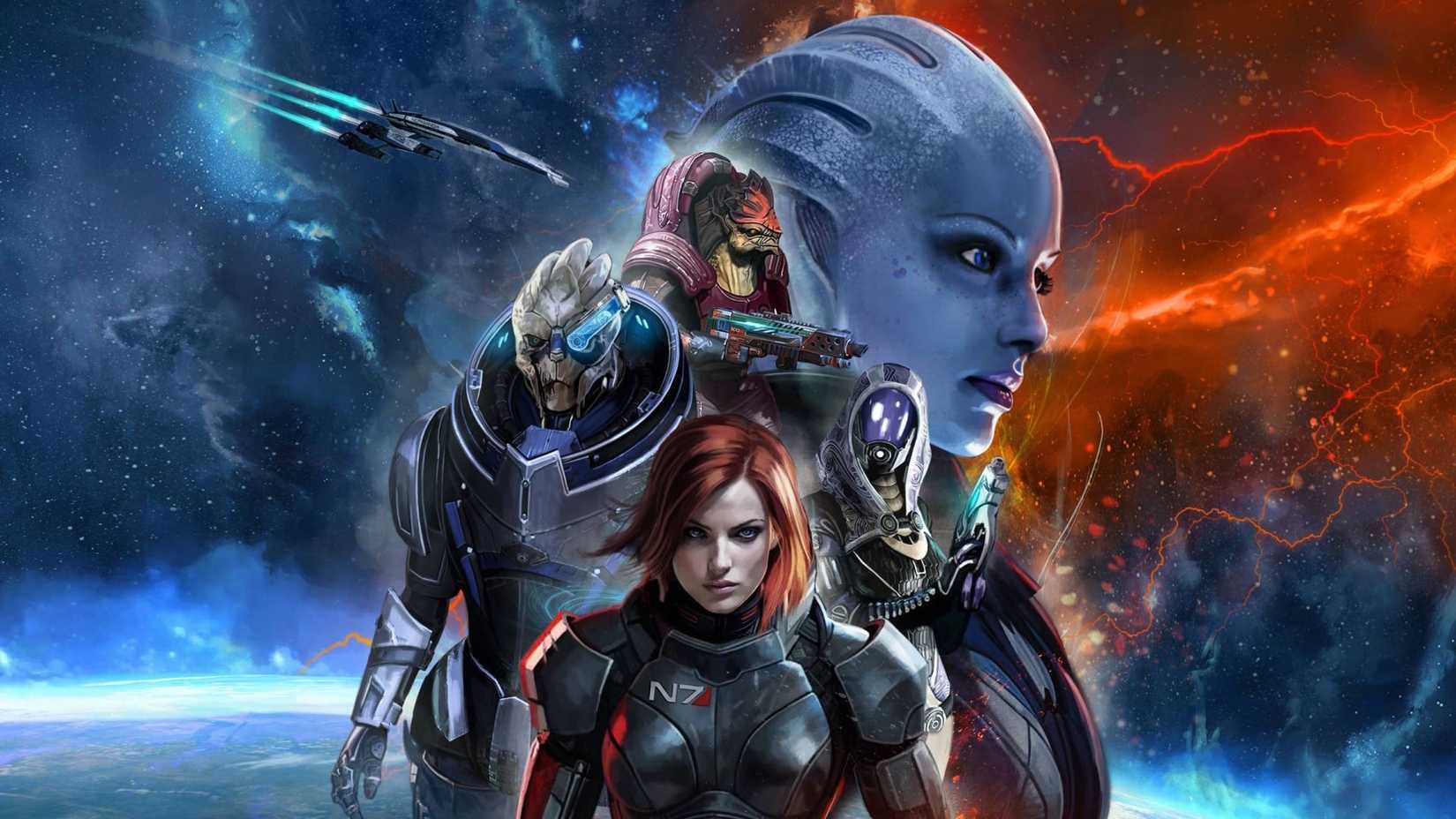
Taylor suggests the new material explores Sanders’ post-Reaper War efforts: rebuilding scientific institutions, advocating for AI rights, and grappling with Anderson’s death in a more nuanced way.
“It’s not a ‘fix,’ but it’s a start. We’re finally letting her grieve. We’re finally letting her lead.”
This reframing turns Sanders from a sidelined figure into a quiet architect of recovery—less flashy than Shepard, but no less vital.
Fan Backlash: Misplaced or Justified?
Not all fans are convinced. Reddit threads and Discord channels lit up after the return was announced. Criticisms range from “She wasn’t that important” to “They’re ignoring bigger issues like the Quarian-Geth resolution.”
Taylor responds with measured patience.
“I get it. When you love something, you protect it. But sometimes protection looks like exclusion. And that doesn’t help the universe grow.”
She draws a parallel to real-world discourse: marginalized voices often face higher scrutiny when they return to public life. “We demand perfection from characters like Kahlee—especially when they’re women in positions of intellect, not combat—while overlooking flaws in more dominant figures.”
It’s a sharp observation. Commander Shepard can make galaxy-altering decisions off-screen, yet face little criticism. Sanders speaks once in a council meeting and is labeled “underused.”
The backlash, Taylor implies, may say more about audience expectations than the character’s actual worth.
Performance as Advocacy: How Voice Actors Shape Legacy
One of the most underdiscussed aspects of video game storytelling is the actor’s role in character evolution. Unlike film or TV, where actors often influence direction through improvisation or chemistry reads, game voice work is frequently fragmented—recorded in isolation, years apart.
Yet Taylor insists performance can be advocacy.
“When I recorded her lines for the new project, I pushed for pauses, for breath. For moments where she doesn’t have the answer. That’s power too—showing uncertainty in a world that demands certainty.”
She recalls a specific scene where Sanders challenges a military official’s plan to dismantle synthetic intelligences post-Reaper War.
“The original script had her agreeing after one objection. I asked, ‘Why does she back down? She’s spent her whole career fighting for this.’ They rewrote it. Now she stands her ground—quietly, firmly.”
These subtle shifts, Taylor says, are where real change happens. Not in grand returns, but in the tone of a voice, the weight of a silence.
What This Means for Mass Effect’s Future
The return of Kahlee Sanders—and the actor’s commentary on it—hints at a broader recalibration within the Mass Effect universe.
BioWare appears to be listening. Not just to metrics or sales data, but to the emotional subtext of fan criticism. The studio isn’t erasing Sanders’ underuse; they’re building on it. Her absence becomes part of her strength—she’s returning not as a savior, but as a survivor.
Taylor sees this as part of a larger trend in narrative gaming: second chances.
“We’re starting to understand that stories don’t end with credits. Characters live on in players’ minds. If we have the chance to revisit them, we should do it with honesty—not fan service, not guilt, but growth.”
This approach could set a precedent. Other sidelined characters—like Admiral Hackett, David Archer, or even minor squadmates—might get similar treatment. Not all will return, but the principle matters: no character is too small to matter.
Behind the Scenes: Challenges of Reprising Old Roles
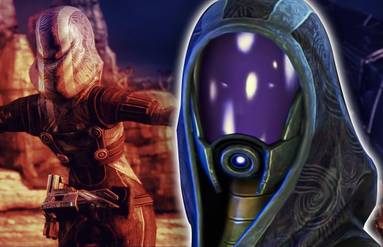
Reprising a character after years isn’t as simple as showing up to the booth. Taylor describes the emotional and technical hurdles.
“Your voice changes. Your life changes. I’m not the same person I was in 2010. So how do I sound like the same Kahlee, but also let her evolve?”
She worked with dialect coaches to maintain vocal consistency, studied old scripts for behavioral ticks, and even re-played key scenes to recapture Sanders’ cadence.
“It’s not mimicry. It’s memory. You have to remember how it felt to be her.”
Another challenge? Navigating secrecy. “I couldn’t talk about this for months. I’d see fans saying ‘Kahlee’s never coming back’ and just… smile. It was brutal.”
The Bigger Picture: Accountability in Game Writing
Taylor’s comments transcend one character. They speak to a growing demand for accountability in game writing—where creators acknowledge flaws without defensiveness.
“We don’t have to pretend everything was perfect,” she says. “But we do have to care enough to try again.”
This mindset is gaining ground. Games like The Last of Us Part II and Baldur’s Gate 3 have shown that audiences reward honesty over polish. Mass Effect’s handling of Sanders could become a case study: how to reintroduce a flawed narrative element with transparency and respect.
It’s not about pleasing everyone. It’s about honoring the craft.
Final Word: Redemption Through Continuity
The return of Kahlee Sanders isn’t a fix. It’s a conversation—one that includes fans, writers, and the actor who brought her to life. Courtenay Taylor’s comments do more than justify a comeback; they reframe it as an act of narrative responsibility.
For players still skeptical, her message is clear: Give her a chance. Not because she’s flawless. But because she’s trying—just like all of us.
If there’s a lesson for BioWare and other developers, it’s this: When a character stumbles, the bravest move isn’t to abandon them—it’s to bring them back, warts and all, and let them grow.
That’s not fan service. That’s storytelling.
FAQ
Why was Kahlee Sanders considered controversial? She was introduced as a strong, intelligent character but was underused in later games, particularly Mass Effect 3, leading fans to feel she was sidelined despite her potential.
Who plays Kahlee Sanders in Mass Effect? Courtenay Taylor provides the voice and performance capture for Kahlee Sanders, as well as several other characters in the trilogy.
What did the actor say about the character’s return? Courtenay Taylor expressed both personal disappointment in Sanders’ past treatment and hope for her return, emphasizing growth, redemption, and narrative accountability.
Is Kahlee Sanders’ return confirmed in a new Mass Effect game? While not officially titled, new content featuring her return has been confirmed through developer statements and voice actor interviews, likely part of post-launch support or a remaster update.
How are fans reacting to the return? Reactions are mixed—some welcome the correction of past mistakes, while others question the focus on Sanders over broader narrative issues.
Does the actor believe the character was underused? Yes, Courtenay Taylor openly admitted she was disappointed by Sanders’ reduced role in Mass Effect 3 and sees the return as an opportunity to address that.
Could other underused characters return? While unconfirmed, Taylor’s comments suggest a willingness to revisit overlooked characters, setting a precedent for future narrative expansions.
FAQ
What should you look for in Mass Effect Actor Reacts to Controversial Character’s Return? Focus on relevance, practical value, and how well the solution matches real user intent.
Is Mass Effect Actor Reacts to Controversial Character’s Return suitable for beginners? That depends on the workflow, but a clear step-by-step approach usually makes it easier to start.
How do you compare options around Mass Effect Actor Reacts to Controversial Character’s Return? Compare features, trust signals, limitations, pricing, and ease of implementation.
What mistakes should you avoid? Avoid generic choices, weak validation, and decisions based only on marketing claims.
What is the next best step? Shortlist the most relevant options, validate them quickly, and refine from real-world results.