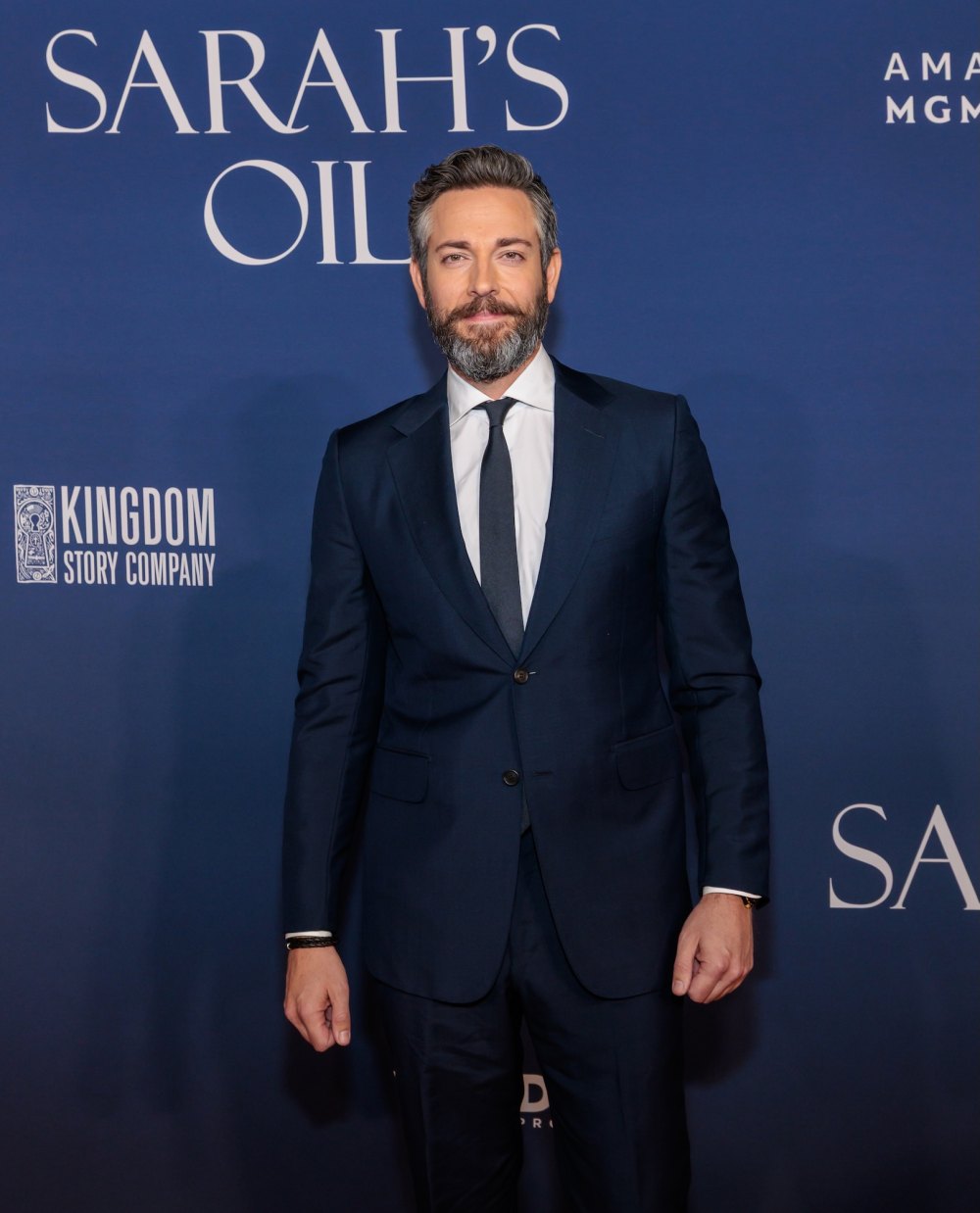
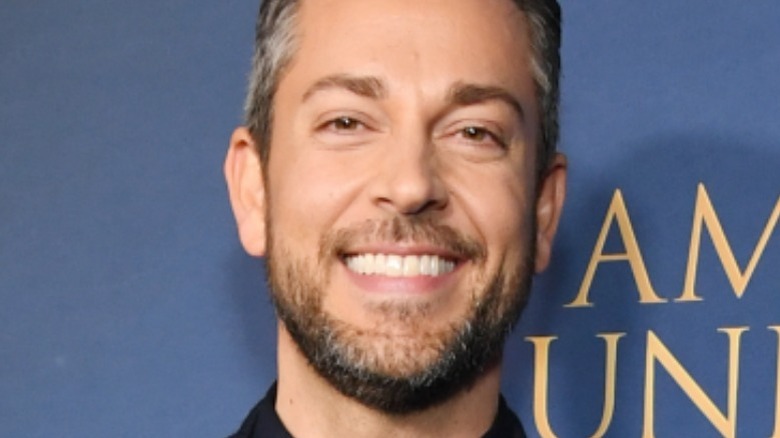
The air inside the ballroom had been electric—just moments before. Laughter, clinking glasses, and the hum of political banter filled the room as Washington’s elite gathered for the White House Correspondents’ Dinner (WHCD). Then, in an instant, everything changed. Actor Zachary Levi, best known for his roles in Chuck and Shazam!, found himself at the center of a nightmare no one saw coming: the sudden eruption of gunfire and the panic that followed.
Levi wasn’t just a spectator; he was an eyewitness to chaos. His firsthand account offers one of the most visceral descriptions of what unfolded inside the ballroom during the shooting—an event that blurred the lines between public spectacle and violent reality.
The Night That Turned From Glamour to Terror
The White House Correspondents’ Dinner is traditionally a blend of politics, media, and Hollywood—a rare social overlap where power brokers and celebrities converge. That year, Zachary Levi was among the guests, invited not just for his fame but for his advocacy work, which often intersects with youth mental health and military support.
He described walking into the ballroom at the Washington Hilton with a sense of excitement. “There was red carpet, flashing lights, and that DC energy—the kind that makes you feel like you’re part of something historic,” Levi recalled in a subsequent interview.
But that energy shifted abruptly. Midway through the night, as the roast-style speeches began gaining momentum, a loud, unmistakable sound cut through the noise. At first, many mistook it for a firecracker or a malfunctioning mic stand. Then came the screaming.
“It wasn’t until I saw people dropping to the floor that I realized—this is real,” Levi said. “One second, we were laughing at a joke about the press secretary. The next, the room was moving like a wave, everyone pushing toward the exits.”
Inside the Ballroom: Levi’s Moment-by-Moment Account
Levi’s recollection provides a minute-by-minute breakdown of the confusion and fear that gripped the room:
- 0:00 – The First Shots: Levi estimated three to four sharp, rapid pops. “They didn’t sound like movie gunfire—these were duller, heavier. Real.”
- 0:15 – Delayed Reaction: He noted a strange hesitation in the crowd. “People looked around, like, ‘Is this part of the act?’ There was a comedian on stage—maybe it was a prop?”
- 0:30 – Panic Spreads: When a waiter dropped a tray and dove under a table, the crowd snapped into survival mode. “That’s when I knew it wasn’t a joke,” Levi said.
- 1:00 – Evacuation Begins: Attendees began rushing for ballroom exits. Levi helped two elderly journalists to their feet and guided them toward a service corridor.
- 2:30 – Locked Doors, Blocked Paths: One of the main exits had been temporarily locked for staging purposes. “Someone started yelling, ‘It’s jammed!’ We had to kick it open.”
Levi emphasized how disorganized the initial response felt. “There were no clear instructions. No announcements. Just pure instinct taking over.”
The Role of Celebrities in Crisis Moments
Levi’s experience highlights a lesser-discussed aspect of high-profile public events: the unspoken responsibility celebrities often take on during emergencies. Though not trained in crisis response, public figures like Levi frequently become de facto leaders in chaotic moments.
“I didn’t think about being ‘Zachary Levi the actor,’” he said. “I just thought, ‘How do I help?’”
This phenomenon isn’t unique. After the 2017 Las Vegas shooting, celebrities like Jason Aldean and Jake Owen helped direct fans to safety. Similarly, during the 2019 Toronto van attack, actor Dan Aykroyd assisted injured pedestrians.
But Levi’s account reveals a troubling gap: many high-profile events lack coordinated emergency protocols that include public figures. “We got through it,” he noted, “but it felt like luck, not planning.”
Security Failures Exposed by the Incident
Despite the presence of federal agents and local law enforcement, the WHCD shooting exposed systemic vulnerabilities:
- Over-reliance on passive security: Metal detectors were in place, but secondary screening for staff and service personnel was inconsistent.
- Poor emergency communication: No public announcement was made during the first 90 seconds of the attack.
- Inadequate exit planning: Multiple doors were obstructed or locked for event flow, creating bottlenecks.
Levi confirmed that even designated “emergency exits” were blocked by catering equipment. “I saw a woman trip over a chafing dish trying to crawl under a table. That shouldn’t happen at an event like this.”
Security analysts later pointed to the WHCD as a case study in “soft target” vulnerabilities—the risk is highest when perceived safety breeds complacency.
The Psychological Impact on Attendees
In the weeks following the shooting, Levi spoke openly about the emotional toll. “I kept hearing the sounds in my head. Waking up at 3 a.m., heart racing.”
He’s not alone. Mental health professionals reported a spike in trauma-related consultations among WHCD attendees, particularly journalists and public figures unaccustomed to violent environments.
“Celebrity doesn’t insulate you from PTSD,” said Dr. Elena Torres, a trauma specialist who worked with several survivors. “In some ways, it can make it worse—because there’s pressure to ‘handle it gracefully’ in public.”
Levi eventually sought therapy and joined advocacy efforts for event safety reform. He also partnered with organizations supporting first responders and crisis counselors.
How Live Events Have Changed Since the Shooting
The WHCD shooting triggered a major reassessment of security protocols at high-profile gatherings. Based on survivor accounts—including Levi’s—organizers have implemented several changes:
- Mandatory emergency briefings for VIPs: Attendees now receive discreet safety instructions upon arrival.
- Unlocked, monitored exits: All emergency doors must remain accessible and staffed.
- Silent alarm integration: Ballrooms now have panic buttons linked directly to police dispatch.
- Crisis communication systems: Pre-recorded announcements can be triggered instantly.
- Civilians trained in basic response: Selected staff and volunteers receive ALICE (Alert, Lockdown, Inform, Counter, Evacuate) training.
Levi praised the improvements but warned against overconfidence. “We can’t just add more guards and call it safe. We need culture change—people have to be prepared to act, not just react.”
A Call for Greater Preparedness in Public Spaces
Levi’s experience underscores a broader issue: the illusion of safety at major public events. Whether it’s a political gala, awards show, or concert, the risk of violence is rising—and preparedness remains inconsistent.
His advice? “Know where the exits are. Don’t assume someone else will lead. And practice what you’d do if the lights went out and people started screaming.”
He also urged event planners to involve behavioral experts. “Security isn’t just about metal detectors. It’s about psychology—how people move, think, and panic under pressure.”
The Lasting Legacy of a Survivor’s Voice
Zachary Levi didn’t set out to become an advocate for event safety. But his candid, unfiltered recounting of the ballroom chaos has made him one of the most credible voices on the subject.
He’s testified before congressional subcommittees, consulted with the Secret Service on crowd dynamics, and even developed a public safety workshop for entertainment professionals.
More importantly, he’s humanized the conversation. “I’m not a hero,” he said. “I just happened to be in a room where ordinary people had to do extraordinary things.”
His story isn’t just about survival—it’s about awareness. The ballroom that night wasn’t just a backdrop for political satire. It became a flashpoint reminding us all: safety is a shared responsibility.
In an age where live events blend spectacle with vulnerability, Levi’s account serves as both warning and guide. The next time you walk into a packed venue, ask yourself: do I know how to get out? Because when the noise stops and the panic starts, seconds count more than status.
FAQ
What was Zachary Levi doing at the WHCD? Levi attended as a guest due to his advocacy work and media presence, not as a performer or official honoree.
Did Zachary Levi witness the shooter? No. Levi stated he never saw the gunman but heard the shots and observed the immediate aftermath of the panic.
Were there casualties during the WHCD shooting? Yes. The incident resulted in multiple injuries, though no fatalities were reported among attendees.
How did Zachary Levi help during the chaos? He assisted two older journalists to safety, helped clear a blocked exit, and calmed others by directing them away from high-traffic areas.
Has the WHCD changed its security since the shooting? Yes. The event now includes real-time emergency alerts, unobstructed exits, and coordination with federal security agencies.
Did Zachary Levi suffer long-term effects from the incident? Yes. He experienced symptoms of PTSD and has spoken publicly about undergoing therapy and advocating for mental health support.
Is there video footage of the ballroom during the shooting? No public footage has been released. Security tapes remain classified under ongoing investigations.
FAQ
What should you look for in Zachary Levi Recalls Chaos Inside Ballroom During WHCD Shooting? Focus on relevance, practical value, and how well the solution matches real user intent.
Is Zachary Levi Recalls Chaos Inside Ballroom During WHCD Shooting suitable for beginners? That depends on the workflow, but a clear step-by-step approach usually makes it easier to start.
How do you compare options around Zachary Levi Recalls Chaos Inside Ballroom During WHCD Shooting? Compare features, trust signals, limitations, pricing, and ease of implementation.
What mistakes should you avoid? Avoid generic choices, weak validation, and decisions based only on marketing claims.
What is the next best step? Shortlist the most relevant options, validate them quickly, and refine from real-world results.